
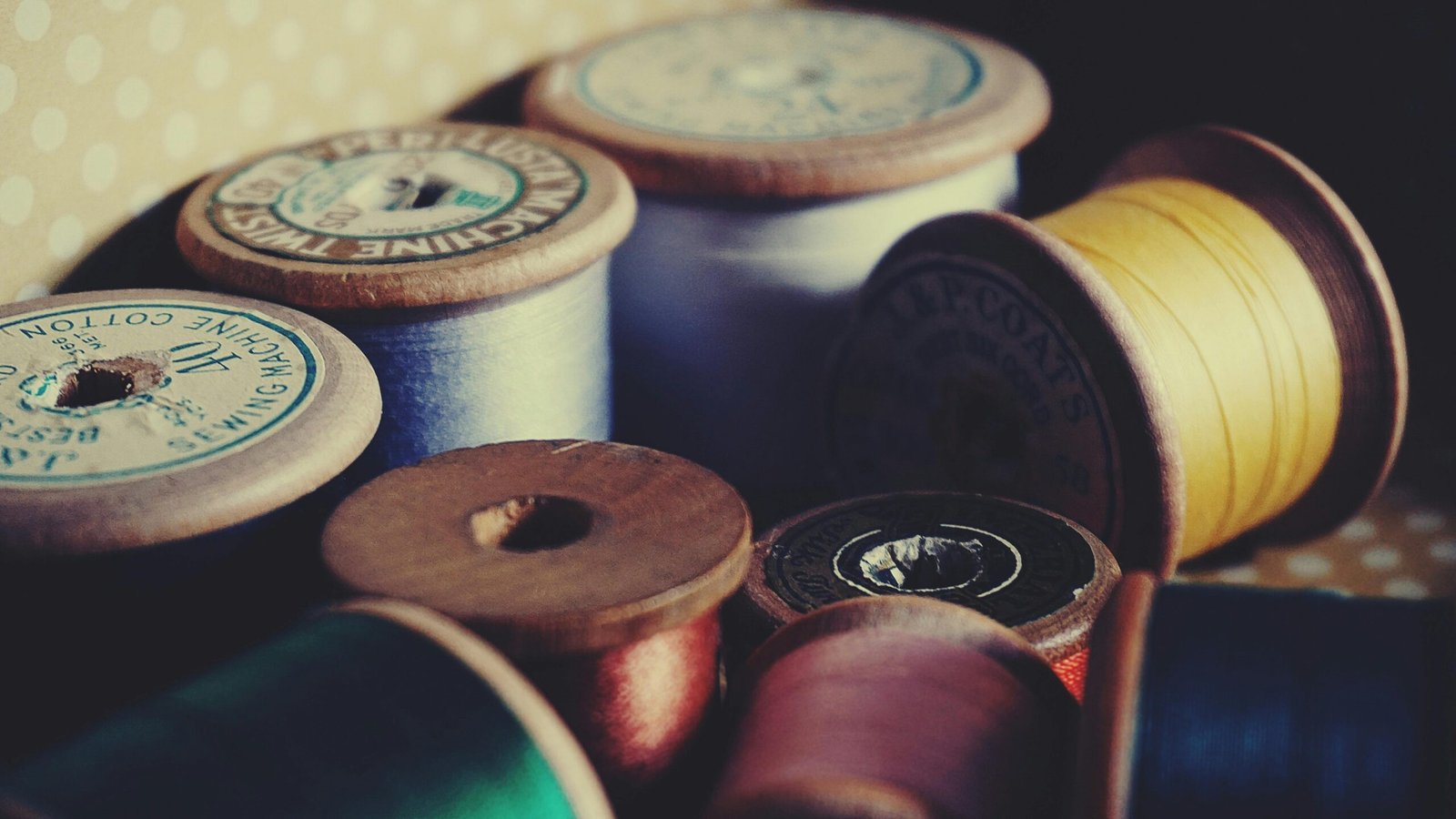
In India, embroidery has always been more than decoration. It is a living language of colour, culture and craftsmanship. From rural courtyards to contemporary design studios, the art of hand-stitched textiles continues to evolve while staying deeply connected to tradition. Today, as handcrafted décor makes its way into modern homes across the world, embroidery has re-emerged as a symbol of authenticity, individuality and artistry.
A Craft Rooted in Heritage
Embroidery in India has been practiced for centuries, with each region developing its own style. Rajasthan’s fine stitches, Gujarat’s mirror work, Kashmir’s delicate thread painting and Bengal’s kantha quilts tell stories of daily life, nature and community. These techniques were traditionally passed down within families, giving every stitch a personal touch.
Even now, many artisans continue to work from their homes and local workshops, using the same skills taught by earlier generations. This continuity is what makes embroidered décor feel timeless and meaningful.
Why Embroidery Fits Seamlessly Into Modern Homes
Today’s décor trends favour warmth, character and individuality, and embroidery aligns beautifully with these preferences. Hand-stitched pieces add texture, depth and a sense of human touch that mass-produced items cannot replicate.
Whether it is a cushion cover, wall hanging or textile panel, embroidered décor brings:
- Texture that soft furnishings often lack
- Colour depth through layered threads
- Artistic detail that enhances a neutral space
- A handcrafted signature that makes a home feel personal
This blend of tradition and contemporary styling is exactly what modern homes are embracing.
The Process Behind Every Embroidered Piece
The journey of creating an embroidered home décor item begins with sketching a motif. Artisans often draw inspiration from nature, daily life or historical patterns. Once the design is marked on the fabric, the work begins slowly, stitch by stitch.
Cotton, linen or wool fabrics form the base, while threads in contrasting or complementary tones are chosen to create balance and visual interest. Depending on the design, artisans may use satin stitch, chain stitch, couching or detailed needlework to build texture.
Because everything is handmade, no two pieces are ever identical. Each item carries small variations that celebrate the maker’s individuality.
Why Handmade Embroidery Matters Today
In a fast-paced world dominated by machine-made goods, handcrafted embroidery reminds us of patience and skill. Every piece represents hours of focused work, traditional knowledge and creative expression. Choosing embroidered décor also supports artisan communities, helping them continue their craft and sustain their livelihoods.
As more people shift towards ethical and mindful living, embroidered home décor stands out as both culturally rich and environmentally conscious, with minimal waste and long-lasting quality.
Bringing Embroidery Into Your Home
Incorporating embroidered pieces is surprisingly easy. A single embroidered cushion can lift a sofa, add personality to a bedroom, or bring warmth to a reading corner. Wall hangings, runners and textile art panels can transform plain spaces with a touch of handcrafted elegance.
Whether you love bold colours or soft tones, intricate florals or geometric designs, embroidery fits effortlessly into a wide range of interior styles.
The Future of Embroidered Décor
As global demand for handmade products grows, embroidery is finding new forms and expressions. Designers are experimenting with contemporary patterns, modern palettes and sustainable materials, while artisans continue infusing each piece with cultural stories. This blend of innovation and heritage is shaping the future of handcrafted home décor.
Embroidery is no longer just a traditional craft. It is a modern design language that connects homes to history, artistry and culture.
Sources
*Ministry of Textiles, Government of India – Indian Handicrafts & Embroidery Overview
*UNESCO – Safeguarding Traditional Craftsmanship
*Victoria and Albert Museum – Indian Embroidery Collection