
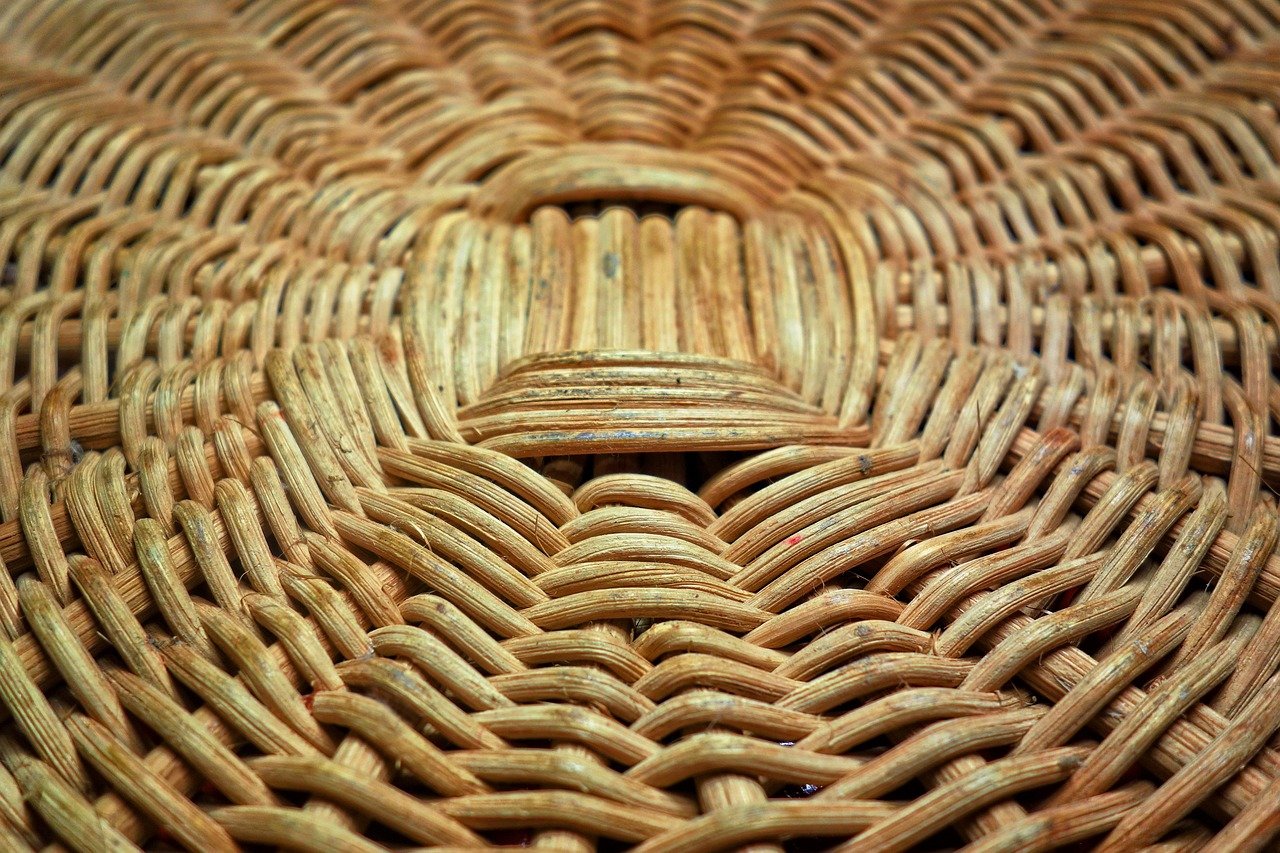
In a world of fast trends and mass-produced products, more people are returning to spaces that feel personal, warm and intentional. This shift has created a growing love for slow interiors, a design philosophy that values craftsmanship, quality and objects made with care. At the heart of slow interiors lies one powerful element: handmade décor.
Handcrafted pieces bring more than aesthetic value. They carry stories, human touch and cultural depth that machines simply cannot replicate. Whether it is an embroidered cushion cover, a hand-woven throw, or a delicately carved wall accent, handmade décor transforms a house into a meaningful home.
What Slow Interiors Really Mean
Slow interiors reflect the idea of choosing décor mindfully rather than filling a space quickly. It is about investing in items that last longer, feel authentic and age beautifully. Instead of focusing on trends that fade, slow interiors celebrate craftsmanship, natural materials and the small imperfections that make each piece unique.
This approach encourages people to build their homes thoughtfully over time, choosing pieces that connect with their personality and values. Handmade décor perfectly aligns with this philosophy because every item tells a story of time, patience and skill.
Why Handmade Décor Fits Perfectly Into This Lifestyle
Handcrafted décor creates an emotional connection that factory-made pieces rarely offer. When you choose something made by an artisan, you bring home creativity shaped by experience, tradition and passion.
Handmade items add:
- Warmth through organic textures
- Character with unique stitching, patterns or carving
- Longevity due to careful craftsmanship
- Cultural value through regional techniques and traditional designs
These qualities help a home feel grounded and timeless, even as styles change.
The Human Touch Behind Every Piece
Artisans spend years developing their craft. Many learn their skills through family traditions passed down over generations. The process behind a handmade product is slow and immersive. It might involve hand-drawing motifs, mixing natural dyes, carving wood by hand, or stitching every detail with precision.
These hours of work create a richness that cannot be mass-produced. When you choose handmade, you support not only a craft but also the livelihood and heritage of artisan communities.
How Handmade Pieces Transform Modern Homes
Even in contemporary interiors, handcrafted décor blends seamlessly with modern aesthetics. A hand-embroidered cushion can add softness to minimalist furniture. A hand-woven rug can introduce warmth to a neutral room. Decorative textiles can create depth and visual interest without overwhelming the space.
Handmade décor also encourages slower living. When you surround yourself with meaningful objects, your home feels calmer, more intentional and more connected to natural materials.
Sustainability at the Heart of Craft
Handmade items often use low-impact processes, natural fabrics and minimal waste. Compared to large-scale manufacturing, handcrafted production is gentler on the environment. Choosing handmade décor supports sustainability by promoting longer-lasting products and reducing disposable consumption habits.
In many cases, artisans use locally available materials, natural fibres and age-old dyeing techniques. These practices reduce the ecological footprint while keeping cultural craft alive.
Building a Home That Feels Like You
Your home should reflect your personality, experiences and values. Handmade décor helps achieve this beautifully. A single artisanal piece can spark conversation, evoke memories or add a sense of comfort that mass-produced items cannot match.
Choosing carefully crafted décor pieces is not just about decorating a room. It is about bringing home art, culture and a story that becomes part of your everyday life.