
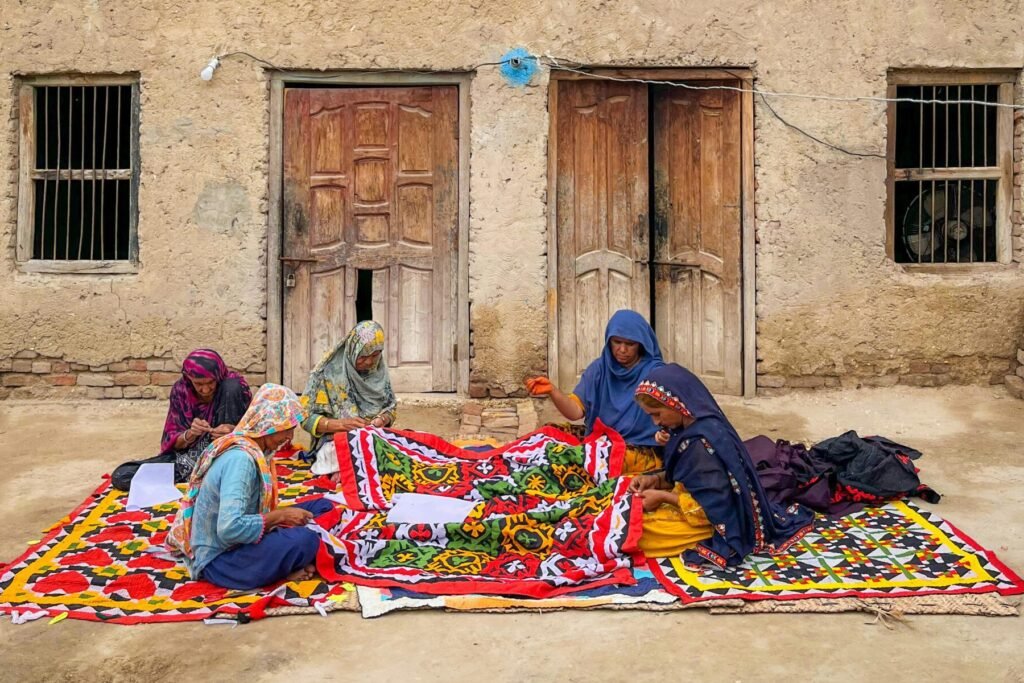
Quilting in India is far more than stitching layers of fabric together, it is a craft shaped by generations of skill, regional traditions, and evolving design trends. Whether used in home décor, tote bags, cosmetic bags, or accessories, quilting adds structure, durability, and artistic value. For buyers who appreciate handmade products, understanding the techniques behind quilting helps them recognise the craftsmanship and effort behind each piece.
This guide offers a clear, informative look at Indian quilting methods and how they influence today’s handcrafted décor.
What Is Quilting?
Quilting is the process of joining two or more layers of fabric with stitches to create a padded, textured structure. Traditionally, quilting was used for blankets and garments, but modern artisans apply it to bags, table linens, wall hangings, cushion covers, and fashion accessories.
Major Quilting Techniques Practised Across India
1. Straight-Line Quilting
One of the most widely used methods, straight-line quilting involves parallel or grid-like lines stitched across the fabric.
Why it’s popular:
- Adds clean, modern structure
- Enhances durability for tote bags and duffles
- Suitable for thicker cotton and block-printed fabrics
Most quilted bags at Vanyug Arts use variations of this technique to create a neat, timeless texture.
2. Kantha Quilting (Eastern India)
Originating in Bengal, Kantha involves small running stitches that create rippled, hand-drawn textures.
Key features:
- Organic, flowing stitch patterns
- Lightweight but strong reinforcement
- Traditionally used for quilts and sarees
Modern designers use kantha-inspired stitching for pouches, cushions, and fabric accessories.
3. Patchwork Quilting
This technique joins multiple fabric pieces to create patterns or panels.
Why it stands out:
- A sustainable method using leftover textiles
- Adds depth through color and texture variation
- Popular in decorative home pieces and bags
Rajasthan, Gujarat, and rural craft clusters are known for vibrant patchwork quilting.
4. Trapunto or Raised Quilting
Trapunto quilting creates a raised or padded effect by adding extra filling in certain areas.
Common in:
- Luxury quilting
- Textured handbags
- Decorative panels
This technique gives a three-dimensional look that enhances visual richness.
5. Free-Motion Quilting
Artisans use a sewing machine to draw fluid, curved, or artistic patterns with thread.
Benefits:
- Highly customizable
- Adds unique character and intricacy
- Suitable for high-end quilted bags and accessories
Patterns may include spirals, leaves, flowers, or abstract motifs.
How Quilting Improves the Functionality of Bags & Home Accessories
• Structure & Shape Retention
Quilting reinforces fabric, helping tote bags, duffles, and pouches hold their shape.
• Increased Durability
Multiple stitched layers prevent tearing and extend a product’s life.
• Insulation & Padding
Padded fabrics protect contents, making quilting ideal for laptop sleeves, cosmetic bags, and travel pouches.
• Aesthetic Appeal
The stitched texture adds depth and handcrafted beauty to otherwise simple designs.
Quilting in Modern Indian Craft Businesses
Today, quilting is a bridge between tradition and contemporary lifestyle products.
Modern artisans:
- Use cotton batting for lightweight yet sturdy bags
- Combine block-printed fabrics with precise quilting lines
- Create coordinated collections of quilted totes, duffles, and cosmetic pouches
- Reimagine quilting for global audiences seeking handmade elegance
At Vanyug Arts, quilting is used not just for beauty but also for function, longevity, and everyday practicality.
How to Care for Quilted Products
To maintain the structure and stitching:
- Machine wash cold and air dry flat
- Avoid high heat to prevent shrinkage
- Use a gentle cycle for quilted bags and accessories
- Store flat or filled to retain shape
Proper care keeps the quilting lines crisp and the fabric fresh.
Why Quilting Remains Relevant
Quilting continues to thrive because it combines:
- Craft heritage
- Beautiful textural design
- Practical strength
- Adaptability to modern lifestyles
Whether in décor or fashion, quilted pieces bring together functionality and artistry—making them a meaningful choice for conscious buyers.