
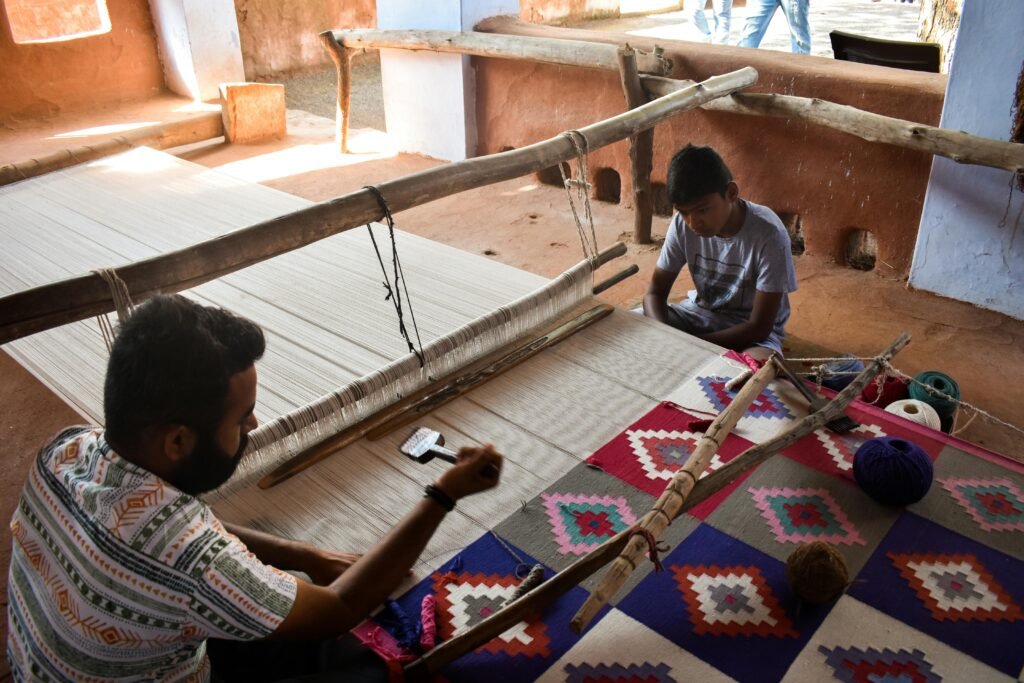
Handmade textiles are often admired for their beauty, but very few buyers know how to evaluate their quality or care for them correctly. Understanding fabric behavior, stitching techniques, and maintenance can significantly increase the lifespan of handmade home décor.
This guide explains how to recognize well made handmade textiles and how to preserve them for years of use.
Understanding Fabric Choice in Handmade Textiles
The foundation of any handmade textile is the fabric. Natural fibers such as cotton, linen, and hemp are commonly used because they are breathable, durable, and age well.
Quality cotton feels firm yet soft and does not appear shiny. Linen has a visible weave and natural texture. Hemp fabric is slightly coarse initially but softens with use while maintaining strength.
Synthetic blends may look similar at first glance, but they pill faster, trap heat, and deteriorate quickly when washed.
Stitching as a Marker of Craftsmanship
Stitching reveals more about quality than surface design. In well made handmade textiles, stitches are consistent but not perfectly uniform. This slight variation is natural and indicates handwork.
Embroidery should sit firmly on the fabric without pulling or puckering. Quilting stitches should pass cleanly through all fabric layers. Loose threads or skipped stitches indicate rushed production rather than craftsmanship.
High quality handmade items prioritize structure over speed.
Weight and Layering Matter
Handmade textiles often feel heavier than mass produced alternatives. This is because artisans use layered fabrics and dense stitching to increase durability.
A cushion cover with proper lining holds its shape longer. A quilted tote with layered cotton supports weight better. Wall hangings with backing fabric hang straighter and age gracefully.
Weight is not a flaw. It is often a sign of thoughtful construction.
Why Color Behavior Is Important
Natural and hand dyed fabrics behave differently from chemically treated ones. Slight color variation or gentle fading over time is normal and should be expected.
High quality handmade textiles are usually colorfast enough for regular use but benefit from gentle washing. Harsh detergents and hot water damage both fibers and dyes.
Understanding this helps prevent unnecessary disappointment and prolongs product life.
Proper Care Extends Textile Life
Most handmade textiles last longer when washed less frequently and handled gently. Spot cleaning is often sufficient for cushion covers and wall hangings.
When washing is required, cold water and mild detergent are best. Avoid machine drying whenever possible. Air drying helps preserve fabric strength and stitching integrity.
Ironing should be done on the reverse side to protect embroidery and surface texture.
Storage Plays a Key Role
Improper storage is a major reason handmade textiles deteriorate. Storing items in damp or airtight plastic environments causes fabric damage.
Textiles should be stored in breathable cotton bags or wrapped in natural fabric. Direct sunlight should be avoided during long term storage as it weakens fibers over time.
Simple storage habits can extend the life of handmade décor by years.
Why Handmade Textiles Age Better Than Mass Produced Ones
Handmade textiles are designed to evolve rather than deteriorate. Small signs of wear add character instead of reducing value.
Because they are made in small batches with attention to detail, they often remain functional and visually appealing long after mass produced items need replacement.
This makes handmade décor both a practical and sustainable choice.
Educated Buying Leads to Sustainable Living
When buyers understand how to evaluate and care for handmade textiles, they buy more intentionally. Fewer replacements mean less waste and more appreciation for craftsmanship.
Education bridges the gap between consumption and conscious living.
Final Thoughts
Handmade textiles are not fragile luxury items. They are practical, durable products when chosen wisely and cared for properly.
Learning how to identify quality and maintain handmade décor allows homeowners to enjoy these pieces fully while honoring the craft behind them.