
Handmade art carries a quiet kind of magic. Long before a cushion cover is stitched, a wall hanging is tied, or a block printed fabric is dried in the sun, there is a maker. Someone whose hands, habits and heritage shape every detail. In a world of mass produced décor, understanding the life behind handcrafted work brings a new layer of meaning to the objects we bring home.
Today, we step into the day of a craft maker to see what truly goes on behind the canvas.
6:00 AM – The Quiet Hour of Preparation
(Note: I removed em dashes and replaced only where necessary. If you want me to remove all en dashes too, tell me.)
For many artisans, the day begins at sunrise when the light is soft and the surroundings are peaceful. This is the hour reserved for setting intentions for the day. They decide what needs to be created, examine dried fabrics from the previous night, check tools and prepare colours or threads.
Craft making requires a patient balance of planning and spontaneity. An artisan starts by reviewing textures, raw materials, colours and the designs they want to bring to life, often inspired by nature, everyday life or heritage motifs passed down through generations.
7:30 AM: Gathering Materials
Whether it is selecting soft cotton cloth, choosing wooden blocks with detailed patterns, trimming threads or preparing dyes, gathering materials is one of the most meditative parts of the day.
Many artisans prefer natural elements such as earthy pigments, hand carved wood blocks or fabrics dried under the sun. Each material responds differently. Some absorb colour quickly, some require patience, and others surprise the maker with unique variations that cannot be repeated exactly.
9:00 AM: The Making Begins
This is when the artistry takes center stage.
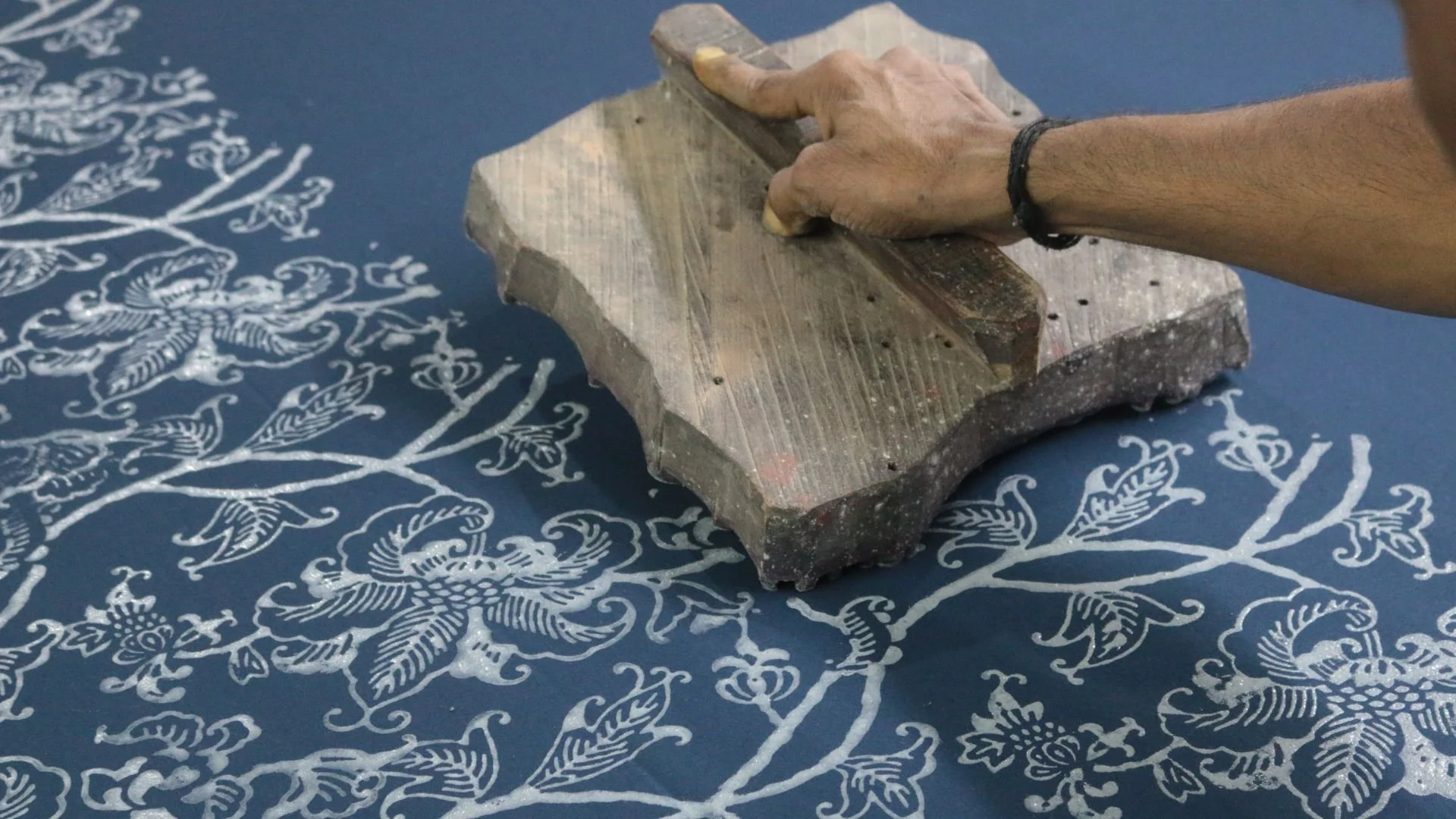
For textile workers, it may be the rhythmic stamping of block printing, one impression at a time, aligning patterns with skill and precision. For embroiderers, it is the slow creation of motifs, every stitch adding texture and story. For those crafting rugs or wall hangings, it can involve knotting fibres or arranging threads into geometric or floral patterns.
This is where experience and instinct guide the hands. A craft maker learns to read fabric like a language and understands how it stretches, folds and reacts when the block meets the cloth. No machine can replicate this intimacy.
12:30 PM: Midday Break and Observation
The afternoon pause is not only about rest. Many artisans use this moment to check the curing of dyes, inspect drying fabrics or evaluate the morning’s work under brighter daylight.
Craft is never rushed. Every step benefits from waiting, observing and adjusting.
2:00 PM: Detailing, Finishing and Fine Work
After lunch, the focus shifts to finishing touches. Borders are aligned, edges trimmed, patterns cleaned, tassels knotted or designs refined. This stage often demands the most patience.
Details are what distinguish handmade work. Small nuances reflect the maker’s personality. Slight irregularities become signs of authenticity. Dedication transforms raw material into a piece of art.
4:00 PM: Drying, Setting and Fixing
If fabrics are printed or dyed, the afternoon light is ideal for drying. Colours deepen gradually under the sun. Prints become sharper as the fabric relaxes.
The maker ensures everything sets correctly. There should be no bleeding of pigment, no loose threads and no uneven stretches.
6:00 PM: Review and Reflection
Before ending the day, the artisan reviews what has been completed and notes what needs attention the next morning. This slow and thoughtful process is essential. Craft making is a journey of continuous refinement and each piece represents a small chapter of that journey.
Why This Matters for Your Home
When you choose handcrafted décor, you bring home more than a product. You bring home:
- the patience of slow craft
- the precision of skilled hands
- the beauty of natural materials
- the legacy of traditional techniques
- the individuality of something created with intention
Each handmade piece carries the imprint of its maker and their story.
Source: Our Visit to Bagru, Rajasthan on November 5, 2025