
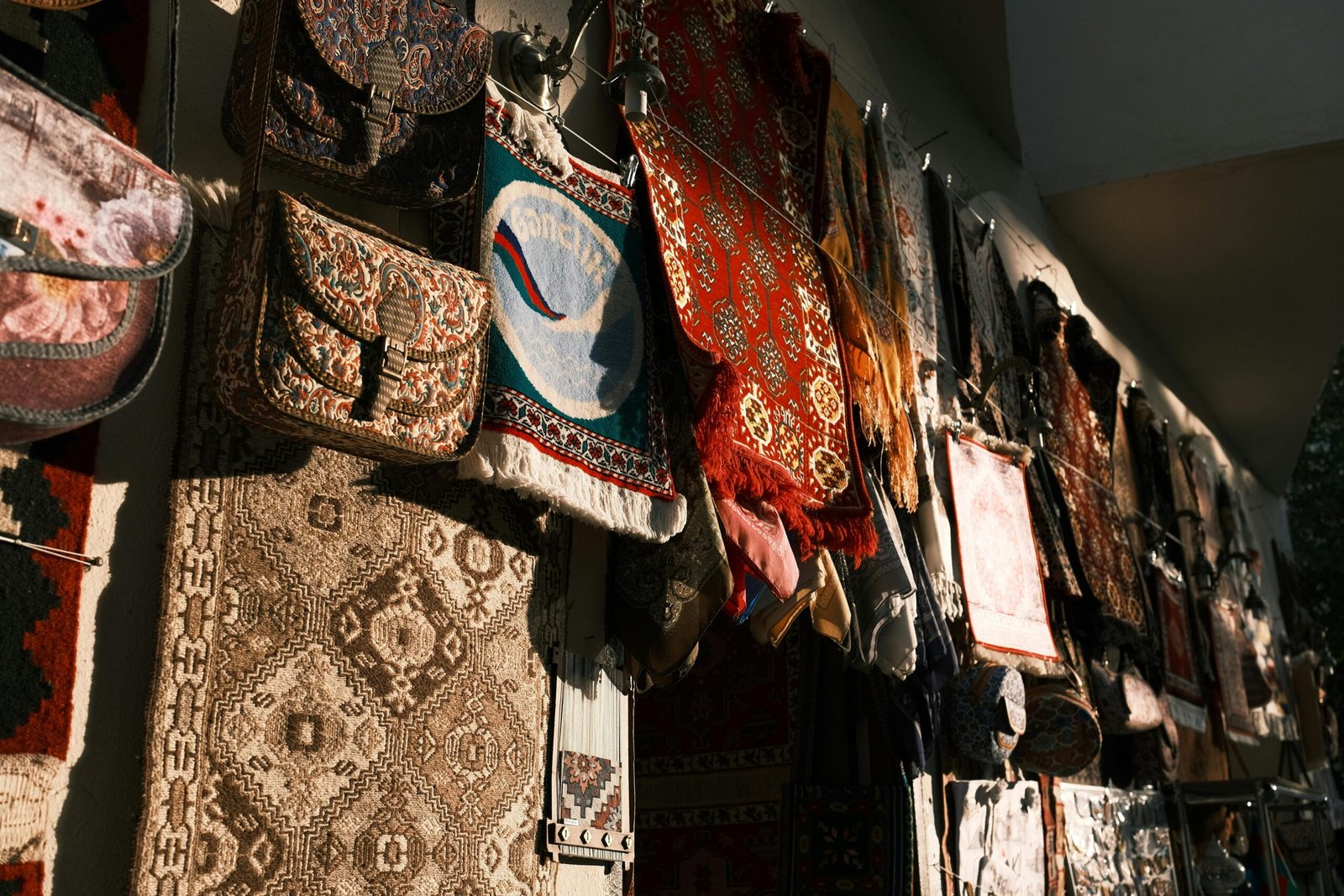
Indian handmade home décor is more than a design preference. It is a living connection to centuries of craftsmanship, cultural expression and artistic heritage. Every handwoven rug, block printed fabric, patchwork wall hanging or decorative cushion carries the skill of artisans who have nurtured these traditions for generations.
To understand Indian handmade décor is to understand India itself. It is a story of materials, communities, rituals, symbolism and the long journey from the artisan’s hands to your home. This educational guide explores the origins, processes and cultural significance behind the handcrafted décor that India is known for worldwide.
1. The Roots of Indian Handmade Décor: A Heritage Thousands of Years Old
India’s craft traditions date back to the Indus Valley Civilization, where archaeologists found handwoven textiles, pottery, beads and carved figurines. Over centuries, each region developed its own distinctive styles based on local culture, climate, materials and community skills.
Handmade décor evolved through:
- Royal patronage in ancient and medieval periods
- Temple art traditions
- Village craft practices developed for everyday utility
- Nomadic and tribal styles
- Craft trade routes that connected India to the Middle East and Europe
Whenever you see a handcrafted Indian product, you are looking at a heritage that has survived invasions, migrations, climate changes and industrial revolutions.
2. Regional Diversity: How India Creates So Many Styles of Handmade Décor
India is a vast country with unique cultural zones. Each region has its own materials, motifs and craft vocabulary, which is why Indian décor feels so varied and rich.
North India
Known for handblock printing, mirror work, dhurrie weaving, metal craft and elaborate embroidery.
West India
Rajasthan and Gujarat are global hubs for patchwork, tie-dye, textile printing, leather craft and tribal embroidery.
East India
Famous for kantha stitching, bamboo craft, terracotta, natural dyes and handloom textiles.
South India
Celebrated for handwoven cottons, temple motifs, wood carving and eco-friendly craft traditions.
Each handcrafted object reflects the identity of the land where it is created.
3. Major Craft Traditions in Indian Handmade Home Décor
Indian handmade décor draws from many textile and craft traditions. The most influential ones include:
Handblock Printing
Practiced in Rajasthan for over 300 years. Artisans carve motifs on wooden blocks and print fabrics using natural dyes. Designs often reflect nature, folklore and local stories.
Patchwork and Appliqué
Communities in Gujarat and Rajasthan excel at creating patchwork from old textiles. Khambadiya patchwork, for example, uses embroidered fabric scraps arranged into vibrant decorative pieces.
Hand Embroidery
India is home to dozens of embroidery styles such as aari, kantha, soof and rabari work. These add personality, color and texture to home décor items.
Handloom Weaving
Weavers create dhurries, rugs, cushion covers and throws using wooden looms. Each piece is woven manually with precise rhythm and technique.
Natural Dyeing
Indigo, turmeric, pomegranate, madder, kachnar and other natural sources are used to dye fabrics. Natural colors age beautifully and are safe for homes.
Mirror Work
Originating in Gujarat and Rajasthan, mirror work adds sparkle to wall hangings and cushions. Mirrors were once believed to protect homes from negative energy.
4. Materials That Shape Indian Handmade Décor
Indian artisans work with local, sustainable and natural materials. This contributes to the authenticity and eco-friendly nature of handmade décor.
Common materials include:
- Cotton
- Jute
- Wool
- Silk
- Velvet
- Recycled textile scraps
- Natural dyes
- Wood, metal and clay for accessories
Because the materials are natural, the final décor pieces are breathable, durable and environmentally conscious.
5. The Role of Artisan Communities in Creating Handmade Décor
Indian handcrafted décor survives because of the artisans who pass down their knowledge within their families and communities. Many craft forms are learned informally at home from childhood.
Some communities specialize in specific crafts:
- Block printing is traditionally done by the Chhipa community.
- Rabari women are known for mirror embroidery.
- Meghwal and Ahir communities excel in patchwork.
- Weaver families in Rajasthan and Uttar Pradesh create handwoven rugs.
Each artisan carries generations of knowledge and a deep cultural connection to their work.
6. The Making Process: Why Handmade Décor Takes Time
Handmade décor cannot be rushed because each step requires care, precision and patience.
Depending on the craft, it may include:
- Sourcing and preparing raw materials
- Hand carving blocks
- Mixing natural dyes
- Drawing motifs or tracing outlines
- Stitching or embroidering motifs
- Weaving threads on looms
- Joining fabric patches
- Finishing and quality checking
Most pieces take anywhere from several hours to several days to complete.
7. Why Indian Handmade Décor Is Loved Worldwide
Indian handcrafted décor has become globally admired for several reasons:
Authenticity
Every piece is unique because it is made by hand.
Sustainability
It uses natural materials and low-energy processes.
Cultural Depth
Motifs often represent festivals, nature, beliefs or stories.
Visual Warmth
Handmade textures add warmth, character and personality to modern homes.
Global “Boho” Trend
Indian patchwork, block prints and weaves align perfectly with global bohemian and artisanal interiors.
8. The Modern Revival of Handmade Décor
Although industrial products once overshadowed handmade goods, there has been a global return to craftsmanship. Customers today prefer products that are ethical, sustainable and meaningful.
Brands like Vanyug Arts help preserve these traditions by:
- Working directly with artisans
- Paying fair wages
- Encouraging traditional skills
- Creating modern designs rooted in heritage
This revival ensures that craft communities remain empowered and ancient techniques continue to thrive.
9. Choosing Indian Handmade Décor: What It Means for You
When you choose handcrafted décor, you bring home more than a product. You bring home:
- A piece of India’s artistic heritage
- A one-of-a-kind item
- A sustainable alternative to mass-produced goods
- A connection to real artisans and communities
- A décor piece with soul, history and intention
Handmade items remind us that beauty is created slowly and thoughtfully.
Conclusion: The Heart of Indian Home Décor Lies in Its Hands
Indian handmade home décor is a celebration of tradition, culture and human creativity. It is shaped by the stories of artisans, the rhythms of village life and the heritage of craft communities that keep ancient skills alive.
Every piece you place in your home carries a journey. It begins in a rural workshop or village courtyard and continues into your living space where it becomes part of your story.
Indian handmade décor is more than art. It is living culture.
Sources
- Deshmukh, D. “Sustainability and livelihood of small-scale handicraft artisans in India.” ScienceDirect. 2024. ScienceDirect
- Madhu, Chelpuru. “A Study on the Sustainability of Handicraft Artisans in Telangana State – A Case Study of Karimnagar District.” International Journal of Finance & Management Research (IJFMR) Vol 5, Issue 6, Nov-Dec 2023. DOI
- Patchwork and Applique of India: Culture, Community, Design, and Manufacturing.