
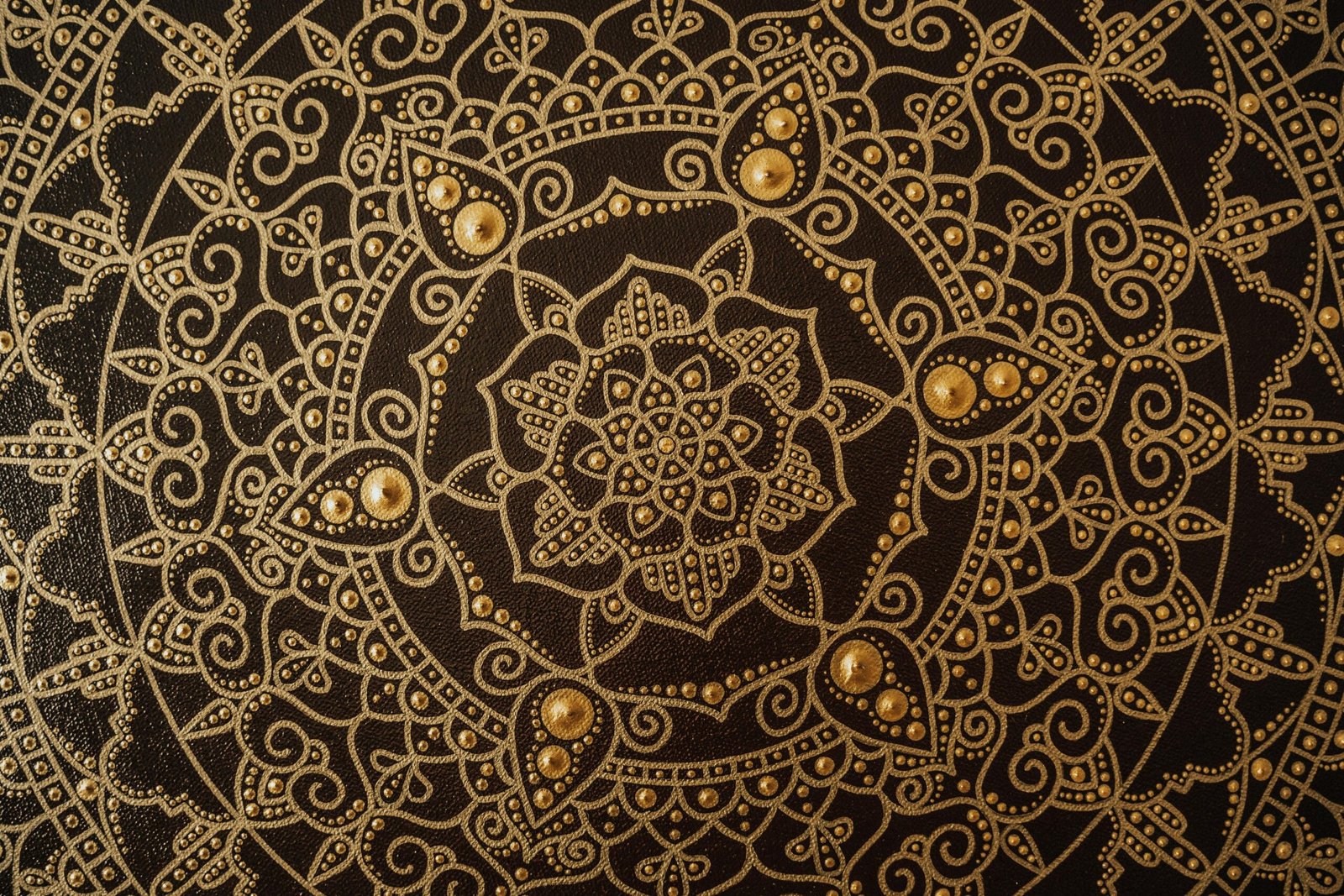
Indian home décor is admired around the world for its colour, technique, and craftsmanship. But many of the patterns seen on cushion covers, textiles, wall hangings, and handmade accessories come from motifs that have carried meaning for centuries. These motifs are not just designs; they are visual symbols that reflect India’s cultural heritage.
This blog explores the meaning of the most widely used Indian motifs and how to use them effectively in modern home décor.
What Are Indian Motifs?
Indian motifs are traditional symbols used in textile printing, hand weaving, embroidery, and carving. They often represent prosperity, harmony, spirituality, or natural elements. Understanding these motifs helps you appreciate the deeper cultural value behind handmade décor.
1. Tree of Life: A Symbol of Prosperity and Protection
The Tree of Life is one of the most meaningful motifs in Indian textile traditions, especially in block printing.
Meaning associated with this motif:
• Growth and abundance
• Connection between the physical and spiritual world
• Protection and positive energy
You’ll find this motif widely in Sanganeri and Bagru prints, hand-carved wood panels, and embroidered tapestries.
2. Paisley (Kalka): India’s Most Recognised Global Motif
The paisley design, originally known in India as kalka, resembles a mango or a sprouting seed. It became popular during the export of Indian shawls between the 17th and 19th centuries.
Symbolism of the paisley motif:
• Fertility and creation
• Renewal and life force
• Celebration of harvest
The motif remains timeless and fits well in bohemian, vintage, and ethnic home décor themes.
3. Lotus: Purity, Strength and Spiritual Awakening
The lotus is a central element in Indian art, architecture, and textiles. Artisans incorporate it in block prints, Madhubani paintings, and weaves.
Meaning of the lotus motif:
• Rising above challenges
• Purity and clarity
• Spiritual enlightenment
It works beautifully in bedrooms and meditation corners due to its calm aesthetic.
4. Elephant Motif: Royalty, Stability and Wisdom
Elephant motifs are widely featured in Rajasthani block printing and traditional Indian textiles.
Why this motif is used:
• Symbol of royalty
• Bringer of good luck
• Representation of wisdom and strength
Elephant-patterned cushion covers or wall art add an inviting and festive feel to living spaces.
5. Fish Motif: Prosperity and Fluidity of Life
Fish patterns feature prominently in Eastern Indian craft forms such as Madhubani and Bengal textile traditions.
Symbolic meaning:
• Prosperity and good fortune
• Productivity and fertility
• Flow and movement in life
This motif works well in coastal, contemporary, and traditional settings.
6. Geometric Motifs: A Minimalist Yet Meaningful Element
Beyond figurative patterns, Indian textiles also incorporate geometric shapes that carry specific meanings.
Triangles: Energy and direction
Dots (Bindu): Origin and creation
Grids and checks: Balance and order
These motifs suit modern homes because they blend easily with minimalistic interior styles.
How to Use Motif-Rich Décor in Modern Interiors
• Mix bold motifs like elephants or Tree of Life with subtle geometric patterns.
• Use large motifs as focal pieces through cushions, tapestries, or wall hangings.
• Pair traditional motifs with neutral backgrounds for a contemporary look.
• Balance richly patterned pieces with solid colours to avoid visual clutter.
Why Indian Motifs Enhance Handmade Home Décor
Traditional motifs add depth, cultural value, and storytelling to your home. Each pattern carries a message that connects your modern space to India’s artistic heritage. This is what makes handcrafted Indian décor unique — it blends craftsmanship with symbolism.