
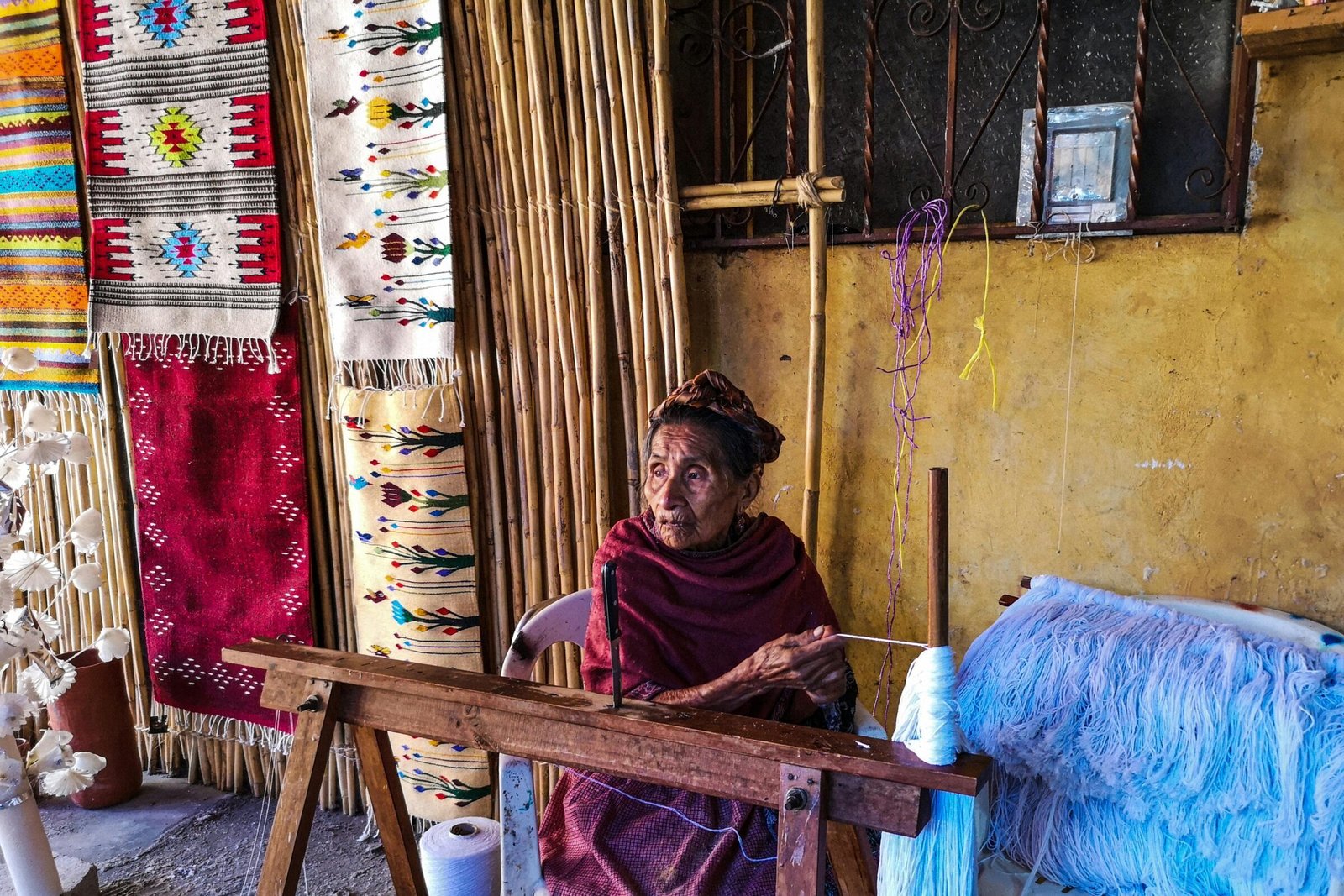
Rugs and durries have been an essential part of Indian homes for centuries. Found in courtyards, prayer rooms, living spaces, and even royal palaces, these handwoven floor coverings are valued not just for their beauty, but also for their durability and comfort. Today, handmade rugs and durries continue to find their place in modern homes around the world.
Understanding how they are made helps us appreciate the skill, patience, and craftsmanship behind each piece.
What Is the Difference Between a Rug and a Durrie
While the terms are often used together, rugs and durries are created differently.
Durries are flat-woven floor coverings, traditionally made from cotton or wool. They are lightweight, reversible, and easy to maintain.
Rugs usually have a thicker pile and can be knotted, tufted, or woven, offering a plush feel underfoot.
Both styles reflect regional traditions and weaving techniques that have been passed down through generations.
The Raw Materials Used
The quality of a rug or durrie begins with its materials.
- Cotton is commonly used for durries because it is breathable and easy to clean.
- Wool adds warmth and durability, making it ideal for rugs.
- Natural dyes derived from plants, minerals, and flowers are often used to achieve rich, earthy tones.
Artisans carefully prepare and spin the yarn before it ever reaches the loom.
The Loom and Weaving Process
Most handmade rugs and durries are created on handlooms.
- Warping the Loom
Strong vertical threads are stretched tightly to form the foundation. - Weaving the Weft
Artisans pass horizontal threads through the warp, row by row, using traditional tools and rhythmic hand movements. - Design Formation
Patterns emerge as colors and textures are woven in. Geometric designs, stripes, and minimal motifs are especially common in durries. - Finishing
Once weaving is complete, the edges are secured, trimmed, and checked for consistency.
This entire process can take days or even weeks, depending on the size and complexity.
Why Handmade Rugs and Durries Last Longer
Unlike machine-made floor coverings, handmade pieces are created slowly and carefully. The tight weaving, quality yarn, and attention to detail make them more durable and long-lasting.
They age gracefully, often becoming softer and more beautiful with time.
Why Rugs and Durries Suit Modern Homes
Handmade rugs and durries blend effortlessly with contemporary interiors.
- Neutral tones work well with minimal décor
- Flat-woven durries are perfect for layering
- Natural fibers add warmth and texture
- Handmade imperfections add character
They complement both modern and traditional spaces without overpowering the room.
Caring for Handmade Rugs and Durries
Proper care helps preserve their beauty.
- Regular shaking or light vacuuming
- Spot cleaning with mild detergent
- Avoid prolonged direct sunlight
- Occasional airing to keep fibers fresh
With simple care, these pieces can last for decades.
Why Choosing Handmade Matters
Every handmade rug or durrie supports skilled artisans and preserves age-old weaving traditions. When you choose handcrafted home décor, you bring home more than a product — you bring craftsmanship, heritage, and thoughtful design into your space.
At Vanyug Arts, we believe handmade floor textiles reflect a slower, more meaningful way of living — one that values quality, artistry, and authenticity.